Ready with the Word.
Reliant on the Spirit.
At Talbot School of Theology, be trained and transformed to follow Christ’s calling on your life.
Meet Our Dean
Ed Stetzer brings decades of experience as a scholar, researcher, pastor and media professional to his new role as dean of Talbot School of Theology. Watch his video greeting to learn why he’s excited for you to join him in studying God’s Word at Talbot.

At Talbot School of Theology, prepare for a lifetime of gospel-centered, Spirit-led ministry. Delve deeply into Scripture. Be refined in character. Develop practical skills to bring God’s truth and love to a world in need.
With programs online, in Southern California and worldwide, Talbot offers flexible, trustworthy seminary training to equip you for your calling.
Pursue Your Calling
The time you spend at Talbot will equip you for a lifetime of faithful study and service.
Here’s what you can expect from your education.
 Think Biblically About Everything
Talbot’s expert faculty and carefully designed curriculum ensure that you receive a solid biblical foundation. You’ll study with reputable scholars and theologians. You’ll become familiar with influential Christian thinkers of the past and present. And you’ll learn the skills needed to faithfully interpret and apply God’s Word to all areas of life.
 Be Spiritually Transformed
To faithfully serve Christ, you need more than a sharp intellect. You need a Spirit-transformed life. That’s why Talbot’s Institute for Spiritual Formation helps you cultivate intimacy with God while you learn about God. Meanwhile, our Center for the Study of the Work and Ministry of the Holy Spirit Today offers resources for your growth and ministry.
 Live and Proclaim the Gospel
Become a winsome, thoughtful representative of the gospel — shaped by professors who model how to serve the church, engage the culture and navigate real-life ministry challenges. Within our diverse, multidenominational community, you’ll be strengthened for any vocation — joining thousands of Talbot alumni living for the cause of Christ.
What I value most about Biola is that our seminary draws a line in the sand about our beliefs and is uncompromising about it. We do this not in a pharisaical manner but with a posture of true conviction and dedication to faithful service, seeking the kingdom of God and His righteousness first.

I value Biola’s commitment to stand on the infallibility and inerrancy of the Word. Where other institutions/seminaries are beginning to compromise, Talbot at Biola has stood rooted and firm.

I deeply appreciate that Biola seeks to stay consistent and strong in teaching and being an example of following God's Word. Biola is a necessary and valuable light in a hurting and deceived world.

I love Biola's community that bolsters and encourages one another to love and pursue Christ. Specifically, I love the professors here who intentionally and so lovingly pour into the students.
What I value the most about Biola is the common faith among believers. It’s a blessing to be surrounded by those that share similar beliefs and values.

I am grateful for the fact that Biola surrounds me with people who have their eyes fixed on pursuing Christ. Whether it is faculty, staff, or students, you don’t have to go far to find people who want to live their lives wholly for Christ.
News & Highlights



Choosing a Seminary
Watch Kyle Strobel, assistant professor of spiritual formation, discuss the factors to consider when deciding on whether and where to pursue a seminary education.
Experience a world-class seminary education in a convenient virtual format
Talbot’s online program maintains its commitment to learning in community — you’ll receive personalized instruction from our exemplary professors, and engage with diverse classmates from around the country and the world.
Engaging Culture
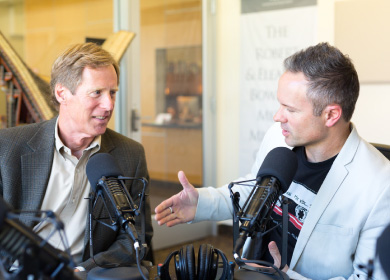 ‘Think Biblically’ Podcast
Talbot’s weekly podcast offers thoughtful Christian insights on issues facing today’s church and culture. Learn how to faithfully engage with cultural trends and current events.
 The Good Book Blog
Talbot’s faculty blog provides solid biblical scholarship and Christian perspectives on topics including biblical studies, theology, philosophy and spiritual formation.
 Talbot Magazine
Talbot Magazine, published twice a year, features biblical and theological commentary from Talbot professors, as well as news and updates from the Talbot community.