D.Min. Track: Engaging Mind and Culture
Overview
Many believers are uncertain about how to navigate the shifting terrain of contemporary culture. It is up to the leaders of the church to think well and to lead our people into ways of living that hold forth Jesus as the center of a life that is healthy, sane and whole.
In the Engaging Mind and Culture track within the Doctor of Ministry (DMin) program, we will help you to do that. We will help you to sharpen your diagnostic skills in three areas. First, we must diagnose the cultural context in which we minister. We must learn how to think below the surface and to identify the ideas, values and commitments that shape institutions and public discourse. Second, we must diagnose the gospel itself. In other words, we must take a fresh look at the gospel with the questions of this generation in mind. What does the gospel bring that will be heard as good news for the next two or three generations in your city? Third, we must learn to diagnose the contours of individual hearts. We have to learn to draw out the real concerns of people so we can help them recognize how the message of Jesus provides hope and life for them, here and now.
The outcome we hope for is to become biblical, wise, winsome and interesting defenders of the gospel. This track will equip you to shape the culture of our ministries to be more culturally engaged and to be marked by the humility, love and compassion that Jesus commends.
Next Available Track: Spring 2026
Application Deadline
November 1, 2025
Residency Dates
- May 13–24, 2024
- May 19–30, 2025
- May 18–29, 2026 (New Cohort)
The Strategy
Year One: The Gospel in the Marketplace of Ideas
In the first year we will help you to gain confidence in engaging worldviews in a way that is culturally conversant, theologically informed and philosophically savvy. We will examine the foundations of the major worldviews that rival Christianity and shape our culture. By placing these views in their historical context, we will be better able to engage them theologically.
We will also dig more deeply into the case for the truth of Christian theism. We will begin with the notion of truth itself. Then, we will explore reasons to believe in God, reasons why many reject belief in God, and the evidence for the resurrection. For each of these lines of thought, we will begin by thinking theologically about the issues involved.
Year Two: Engaging Worldviews and Culture
The second year begins by giving you the tools needed to lead in the areas of ethics and politics. We will lay a foundation by laying out the dominant ethical theories in the academy. You will have first-hand exposure to utilitarianism, deontologism, virtue theory and Nietzsche’s transvaluation of values. We will help you develop some biblically informed ways of thinking about ethics.
We will also explore some of the pressing ethical issues of our day including race, social justice, economic inequities, abortion, capital punishment, just war theory and sexuality. We will look at the area of politics: the different views of the kingdom of God, the church/state relationship, Christian political engagement and social justice.
Year Three: Inhabiting Culture Faithfully
In the third year you will develop skills needed to defend your faith and to equip your church for cultural engagement. We will focus on how to diagnose the contours of the ideas and values and commitments that are reflected in our culture shaping institutions. We will apply our diagnostic framework to the gospel itself in order to reveal how the gospel truly is good news for these institutions.
Finally, we will focus on the practical ministry implications of what you have been studying. We will take a deeper look at evangelism, spiritual formation and leadership development. Our emphasis is not leadership for the church but leadership from the church. How do we set our people free to change their world?
The Faculty Mentor
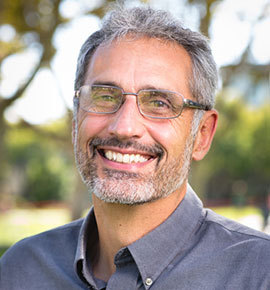
Rick Langer is a Professor of Biblical Studies and Theology and the Director of the Office of Faith and Learning at Biola University. He specializes in the integration of faith and learning, and has also published in the areas of bioethics, theology and philosophy. He has a passion for helping Christians of all ages understand the connection between the Gospel and all the diverse facets of the created order in which we live. Prior to coming to Biola, he served for over twenty years as a pastor at Trinity Evangelical Free Church in Redlands, California. Dr. Langer hosts the Winsome Conviction podcast, named after his recent books Winsome Conviction: Disagreeing Without Dividing the Church, with Tim Muehlhoff, IVP Academic and Winsome Persuasion: Christian Influence in a Post-Christian World, with Tim Muehlhoff, IVP Academic.